

COMPANION NOTES: cathedrals, bones, and the private life of the body
Reflections on the shared resonance of stone and bone, the shaping of breath and air, and the potential limitations of embodied knowledge.

This set of Companion Notes braids together threads from the previous edition of Field Notes: the acoustics of cathedrals and what composers hear in the stone; the shaped breath of language, voice, and sounds from the more-than-human world; and what is it in both the rib cage and the cathedral that is somehow more than what anatomists and architects can describe?
There are also two practice ideas and a playlist waiting for you at the end, along with some journaling prompts.
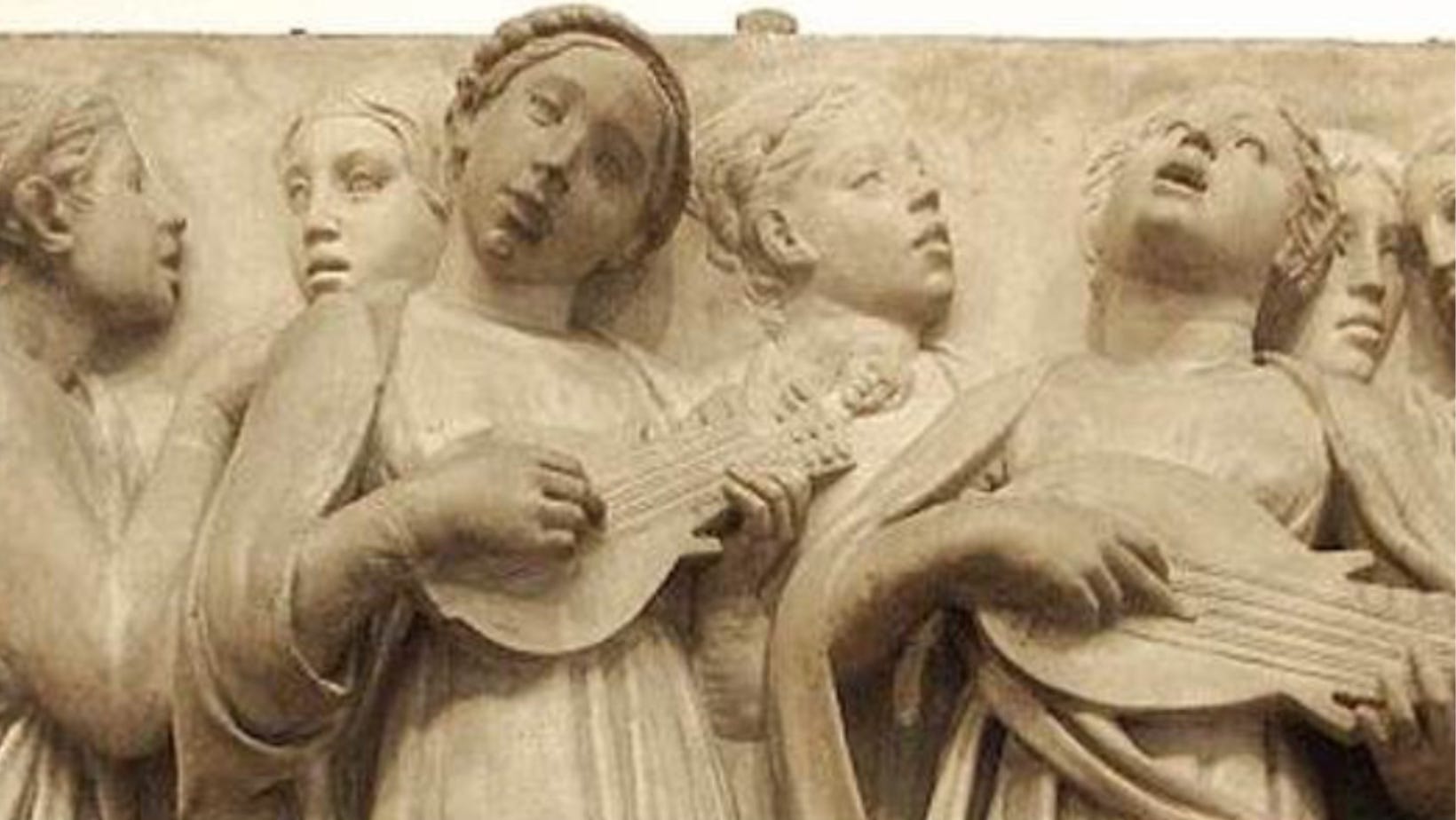
WHEN THE STONE SINGS
A cathedral is not only a container for sound, it is also a participant. Medieval architects and builders appear to have understood that stone reflects rather than absorbs sound, that height creates delay in the dissipation of sound, and that the ribbed vaulted ceiling and hard parallel surfaces would take any sound offered to them and return it transformed. When a voice sounds in a Gothic cathedral, there is the direct sound that travels from the source to the ear, and then there are the copies of that sound returning from every reflective surface, each arriving from a slightly different direction, a fraction of a second later.
Medieval composers approached these acoustics not as a constraint or a challenge to overcome, but rather as an enhancement to their planned harmonics. In a space where sound can persist for up to eight seconds, it became clear that rapid melodic movement blurs unintelligibly while slow, sustained chords give each sound room to expand before the next arrives. As a result, by the twelfth century, composers at Notre Dame cathedral in Paris, like Pérotin, were innovating in the field of polyphony by creating four-part works where voices were designed to meet, mingle and reverberate with the stone. The building became another voice, completing the harmonics, and allowing the lingering decay of one chord to become the foundation of the next.
The other thing the cathedral architecture does beyond reflecting sound is the transmission of vibration. If you stand in a large cathedral when the organ sounds its deepest notes, or the sonority of the choir swells, you will feel a resonance in your body – it isn’t only the tiny acoustic bones in your ears that are responding, your whole skeleton and the centuries-old stone vaulted space vibrate together within the liturgical harmonies.
We can bring these insights into our somatic explorations of the body. Try booking into a choral concert when you are next in a cathedral city and listen from your bones. Similarly, bring your listening bones into your own singing or chanting feeling where the different tones land, noting that you may locate resonance in tissues other than your bones too.
SHAPED BREATH